
What is a Logbook?

A logbook is a record-keeping tool used in various fields to track information over time. It typically contains entries documenting events, activities, observations, or data related to a particular subject or task. Logbooks can take different forms depending on their purpose, ranging from handwritten notebooks to digital databases.
In maritime contexts, logbooks record details of a ship’s journey, including navigation data, weather conditions, crew activities, and notable events. They serve as crucial legal documents and historical records for ship operations.
In scientific research, logbooks record experimental procedures, observations, and results. Researchers use them to maintain an organised work record, essential for documentation, replication of experiments, and publication.
Pilots use logbooks to record flight hours, routes, aircraft types, and other pertinent information for tracking their flying experience and qualifications.
Logbooks play a vital role in maintaining accurate records, ensuring accountability, and facilitating communication in various fields.
History of the Logbook
The concept of a logbook has ancient roots, dating back to early civilisations, when records were kept on various media, such as stone tablets, papyrus scrolls, and clay tablets. However, the modern form of the logbook has evolved over centuries and across different cultures.
Maritime Logbooks:
The maritime logbook has a long history, with early examples dating back to ancient seafaring civilisations such as the Phoenicians and Greeks. These early logbooks were likely simple records of voyages, noting landmarks, distances travelled, and basic observations. Logbooks became more standardised and detailed during the Age of Exploration (15th to 17th centuries). Explorers like Christopher Columbus and Ferdinand Magellan kept detailed records of their voyages, including navigational data, weather observations, and encounters with indigenous peoples. By the 18th century, logbooks were standard aboard ships, required by maritime law. They became formalised records, documenting navigational information, crew activities, provisions, and significant events. Logbooks were crucial for navigation, communication with authorities, and legal purposes.
Scientific Logbooks:
In science, they kept logbooks dating back to ancient times, with early scientists like Aristotle and Leonardo da Vinci recording their observations and experiments. The modern scientific logbook began to take shape during the Scientific Revolution (16th to 18th centuries), as the systematic recording of experiments and observations became essential for advancing scientific knowledge. Scientists like Galileo Galilei and Isaac Newton maintained detailed notebooks documenting their experiments, theories, and observations. The tradition of keeping scientific logbooks continues today, with researchers across various disciplines using them to record experimental procedures, data, and findings.
Aviation Logbooks:
The aviation logbook emerged with the development of powered flight in the early 20th century. Pilots began keeping records of their flights, including aircraft type, flight duration, destinations, and maintenance activities. Aviation logbooks are essential for pilots to track their flying experience and qualifications. They are also used by aircraft maintenance personnel to record maintenance and repair activities. Aviation logbooks play a crucial role in ensuring the safety and reliability of aircraft operations, as they provide a detailed history of the aircraft’s maintenance and operational status.
Overall, the history of the logbook is intertwined with the history of human exploration, scientific inquiry, and technological advancement. From ancient seafaring civilisations to modern aviation, logbooks have been indispensable tools for recording, documenting, and communicating information across various domains.
How to use a Logbook?
During a hike, a logbook can serve several purposes, depending on the context and preferences of the hiker. Here are some common ways a logbook might be used during a hike:
Trail Register:
Many popular hiking trails, especially those in remote or wilderness areas, have trail registers or logbooks at trailheads or critical points along the route. Hikers can sign in and provide information such as their name, group size, planned route, and date/time of departure. This safety measure allows authorities to track hikers in case of emergencies or missing persons.
Personal Journal:
Some hikers use a logbook as a personal journal to document their hiking experiences. During the hike, they may write about the trail conditions, wildlife sightings, exciting landmarks, and their thoughts and feelings. Keeping a journal can enhance the hiking experience by providing a way to reflect on and remember the adventure.
Navigation and Planning:
Hikers may use a logbook to record important navigation information, such as trail junctions, distances between landmarks, and waypoints. This can be particularly useful for planning future hikes or sharing route details with other hikers. Recording navigation cues and observations can help hikers stay on track and avoid getting lost.
Safety and Emergency Preparedness:
In addition to signing trail registers, hikers can use a logbook to document their itinerary and emergency contact information. This information can be crucial for search and rescue teams in an emergency or if the hiker fails to return as planned. Hikers can also use the logbook to record any incidents or injuries encountered during the hike.
Environmental Observations:
Hikers interested in environmental conservation and natural history may use a logbook to record observations of plant and animal species encountered along the trail. They can note the species, location, behaviour, and other relevant details. These observations can contribute to citizen science projects or personal research efforts to understand and protect natural ecosystems.
A logbook can be a versatile and valuable tool for hikers. It serves practical, personal, and safety-related purposes during a hike. Whether signing a trail register, keeping a journal, recording navigation information, or documenting environmental observations, a logbook can enhance the hiking experience and contribute to a deeper connection with nature.
What information should/could be added to the logbook?
The information added to a logbook during a hike can vary depending on the hike’s purpose, the hiker’s preferences, and any specific requirements or guidelines for the trail or location. However, here are some common types of information that hikers may choose to include in their logbooks:
Date and Time: Record the date and time of the hike, including the start and end times if applicable. This helps to establish a timeline of the hike.
Coordinates: The coordinates from when the entry was written in the field.
Trailhead or Starting Point: Note the name or location of the trailhead where the hike begins.
Trail Route: Describe the planned route of the hike, including any specific trails, junctions, or landmarks along the way.
Weather Conditions: Document the weather conditions at the start of the hike and any changes observed during the hike, such as temperature, precipitation, wind speed, and cloud cover.
Trail Conditions: Note the condition of the trail, including terrain, obstacles, signage, and any maintenance or safety issues encountered.
Hiking Partners: Record the names of any companions or group members participating in the hike.
Equipment and Gear: List the gear and equipment carried during the hike, including backpacks, clothing, footwear, navigation tools, safety gear, and any specialised equipment for the terrain or conditions.
Water and Food: Document the amount of water and Food carried and any sources of water encountered along the trail for refilling supplies.
Wildlife Sightings: Record observations of wildlife encountered during the hike, including species, behaviour, and location.
Scenic Points or Landmarks: Note any noteworthy points of interest or scenic views along the trail.
Navigation Cues: Document navigation cues such as trail markers, junctions, distances between landmarks, and waypoints for reference during the hike.
Personal Reflections: Include personal reflections, thoughts, and feelings about the hike, including highlights, challenges, and memorable moments.
Safety and Emergency Information: Write down emergency contact information, medical conditions, and any safety precautions taken during the hike.
Conclusion: Summarise the hike’s completion, including the total distance covered, any deviations from the planned route, and overall impressions of the experience.
By including this information in a logbook, hikers can create a comprehensive record of their hiking adventures, document important details for safety and planning purposes, and preserve memories of their outdoor experiences.
Example Logbook – Entry
Here’s an example of a logbook entry for a day hike:
—
Date: April 18, 2024 Time: 9:00 AM – 3:00 PM
Trailhead: Pine Ridge Trailhead, Yosemite National Park
Weather Conditions: Sunny with a few clouds, temperature around 70°F (21°C), light breeze.
Trail Route: Took Pine Ridge Trail to Dewey Point, then returned via the same route.
Hiking Partners: Solo hike.
Equipment and Gear: Backpack with a hydration bladder, hiking boots, trekking poles, sun hat, sunglasses, sunscreen, trail map, GPS device, snacks (granola bars, trail mix), and first aid kit.
Water and Food: I carried 2 litres of water and snacks for the day, which I refilled at the trailhead.
Trail Conditions: The trail is in good condition, well-marked, and has occasional patches of mud. There are some fallen branches, but they are easy to navigate around.
Wildlife Sightings: I saw a family of deer near the trailhead and spotted several birds along the trail, including Stellar’s jays and woodpeckers.
Scenic Points or Landmarks: Spectacular views of Yosemite Valley and Half Dome from Dewey Point lookout. Took some time to rest and enjoy the scenery.
Navigation Cues: I followed trail markers and used GPS devices to confirm my location at junctions. The trail signs were clear and easy to follow.
Personal Reflections: I enjoyed the solitude of the solo hike and the stunning views from Dewey Point. I felt a sense of accomplishment reaching the lookout and taking in the beauty of Yosemite’s wilderness. I am grateful for the opportunity to explore such a magnificent place.
Safety and Emergency Information: I carried a fully charged cell phone and emergency whistle. I notified a friend of the hiking plans and expected return time. There were no incidents or injuries during the hike.
Conclusion: I completed approximately 8 miles round trip. Overall, it was a rewarding and memorable hike in Yosemite National Park. I am heading back to camp feeling rejuvenated and inspired by nature.
—
This logbook entry provides a detailed hike account, including essential information such as trail conditions, wildlife sightings, safety precautions, and personal reflections on the experience.
What are the alternatives to Logbooks?
There are several alternatives to traditional logbooks, depending on the specific needs and preferences of the user. Here are some standard options:
Digital Logs or Apps: Many hikers, pilots, sailors, and researchers use digital tools such as smartphone apps or computer software to maintain logs. These digital logs can offer various features, such as GPS tracking, photo integration, cloud storage, and data analysis capabilities. Examples include hiking apps like AllTrails, aviation logbook apps like ForeFlight, and scientific data logging software like LabChart.
Field Notebooks or Journals: Instead of a formal logbook, some individuals use field notebooks or journals to record their observations, thoughts, and experiences. These can be simple notebooks or specialised journals for outdoor activities, scientific research, or personal reflection. Field notebooks offer flexibility and creativity in recording information, with sketching, writing, or annotating options.
Online Platforms: Online platforms and websites provide alternatives for collaborative logging and data sharing. For example, hikers can use websites like Trailpost or Backpacker’s Review to log their hikes and share trail information with other outdoor enthusiasts. Similarly, scientists can use online databases and repositories to store and share research data with colleagues and the broader scientific community.
Customised Templates or Forms: Some users create customised templates or forms tailored to their logging needs. These templates can be designed using word processing software, spreadsheet programs, or specialised logbook templates available online. Customised templates allow users to organise information according to their preferences and requirements.
Voice Recording or Dictation: For hands-free logging, some users opt for voice recording or dictation tools to capture their thoughts and observations during activities such as hiking, flying, or conducting research. Voice recording apps or built-in voice assistants can be convenient alternatives to traditional written logs, especially when manual recording may be impractical.
Wearable Technology: Advancements in wearable technology, such as smartwatches and fitness trackers, offer another alternative for logging activities and collecting data. These devices can track various metrics such as steps taken, distance travelled, heart rate, and elevation gain, providing users with real-time feedback and historical data for analysis.
Overall, the choice of alternative to logbooks depends on factors such as the nature of the activity, desired features, technology accessibility, and personal preferences for recording and organising information.
What is the difference between a logbook and a Field Notebook or Journal?
The primary difference between a logbook and a field notebook or journal lies in their intended use and format:
Logbook:
A logbook is a formal record-keeping tool that documents specific information systematically over time. Logbooks typically follow a structured format with predefined sections for recording particular data types or observations. They are often used in professional or regulatory contexts where accuracy, consistency, and accountability are essential, such as maritime operations, aviation, scientific research, and engineering. Logbooks may be required by regulations, standards, or organisational procedures to maintain accurate records for legal, safety, or documentation purposes. Logbook entries are often concise, factual, and standardised to facilitate communication, analysis, and compliance.
Field Notebook or Journal:
A field notebook or journal is a more flexible and informal tool to record observations, thoughts, and experiences during fieldwork, outdoor activities, or personal reflection. Field notebooks typically have blank or lightly ruled pages, allowing users to write, sketch, or annotate as needed. They are commonly used by scientists, researchers, naturalists, artists, writers, and outdoor enthusiasts to document their observations, discoveries, and creative ideas. Field notebooks provide space for capturing detailed descriptions, drawings, diagrams, and personal reflections, fostering creativity and exploration. Unlike logbooks, field notebooks are not usually subject to strict guidelines or regulations, and entries can vary widely in format, content, and style based on the user’s preferences and objectives.
In summary, while both logbooks and field notebooks serve as tools for recording information, logbooks are typically formal, structured, and standardised for specific purposes such as compliance, documentation, and communication. In contrast, field notebooks are more informal, flexible, and personal, allowing users to capture a wide range of observations and experiences in their style.
An Example Field Notebook Entry.
Here’s an example of an entry in a field notebook documenting observations during a nature hike:
—
Date: April 18, 2024
Location: Redwood Trail, Muir Woods National Monument
Weather: Sunny with a light breeze, temperature around 65°F (18°C)
Time: 10:00 AM – 1:00 PM
Observations:
Flora:
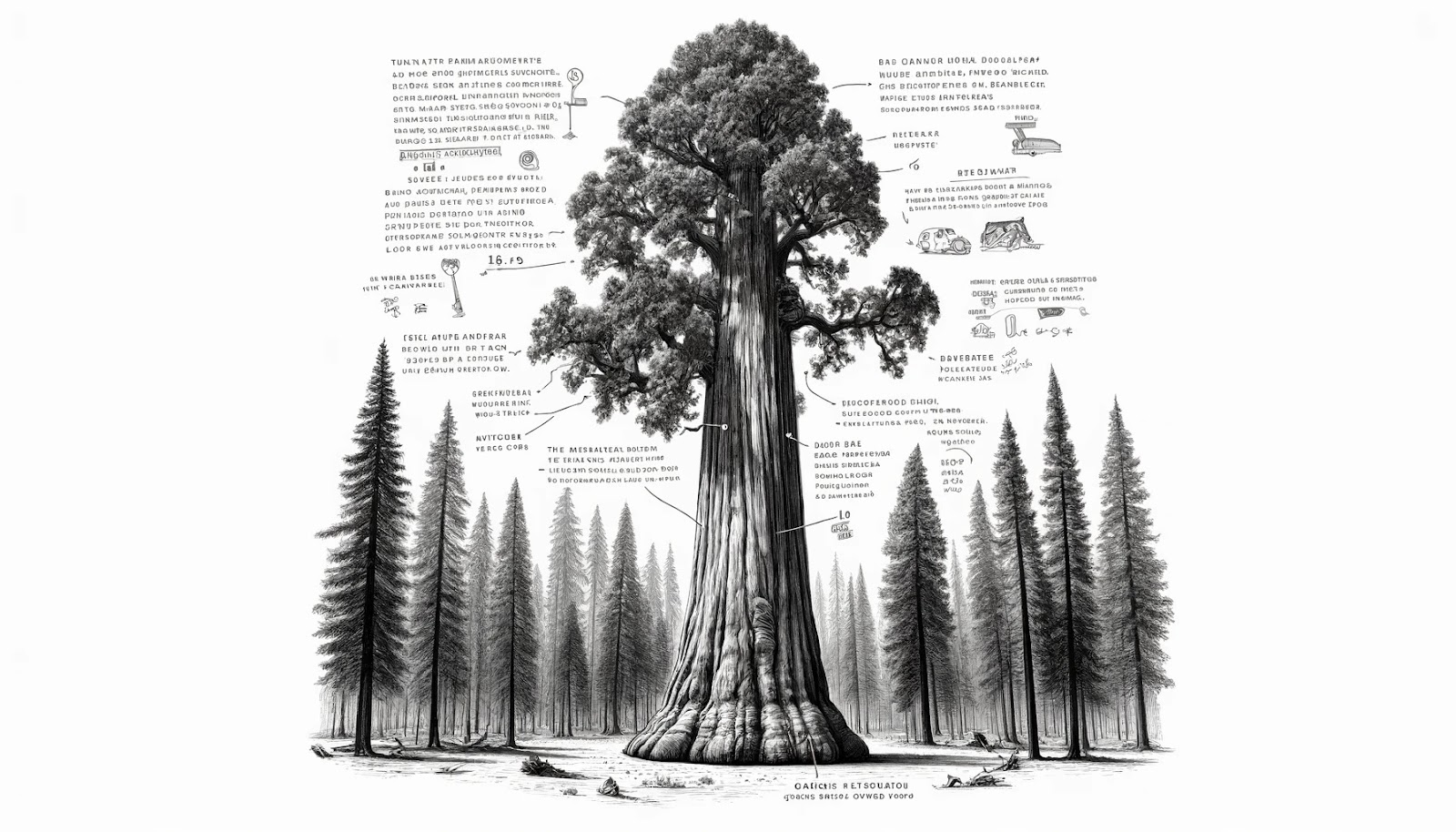
Towering redwood trees (Sequoia sempervirens) dominate the forest canopy, reaching heights of over 250 feet. I noted several specimens with distinctive burls and knotholes. Understory vegetation includes ferns (Polystichum munitum) and sword ferns (Polystichum munitum), with patches of delicate maidenhair ferns (Adiantum spp.) lining the shaded trails. Wildflowers in bloom, including trilliums (Trillium spp.), Pacific bleeding hearts (Dicentra formosa), and western azaleas (Rhododendron occidentale), adding splashes of colour to the forest floor.
Fauna:
I heard the melodious songs of varied thrushes (Ixoreus naevius) echoing through the forest and the drumming of pileated woodpeckers (Dryocopus pileatus) in the distance. I spotted a western grey squirrel (Sciurus griseus) foraging near a fallen log, its bushy tail twitching as it darted among the undergrowth. Several banana slugs (Ariolimax spp.) were observed on the damp forest floor, their bright yellow bodies contrasting against the rich brown leaf litter.
Geology and Terrain:
I noted the presence of serpentine rock outcrops along the trail, characterised by their greenish hue and sparse vegetation. Serpentine soils support unique plant communities adapted to their nutrient-poor and drought-prone conditions. Trail terrain varied from gentle slopes to steep inclines, with occasional rocky sections and exposed roots. Trail maintenance is evident, with well-maintained paths and sturdy bridges crossing seasonal streams.
Cultural and Historical Significance:
Reflecting on Muir Woods’ historical significance as a protected old-growth redwood forest and its role in inspiring conservation efforts, I appreciated the tranquillity and sense of awe instilled by the ancient trees and pristine surroundings.
Sketches and Notes:
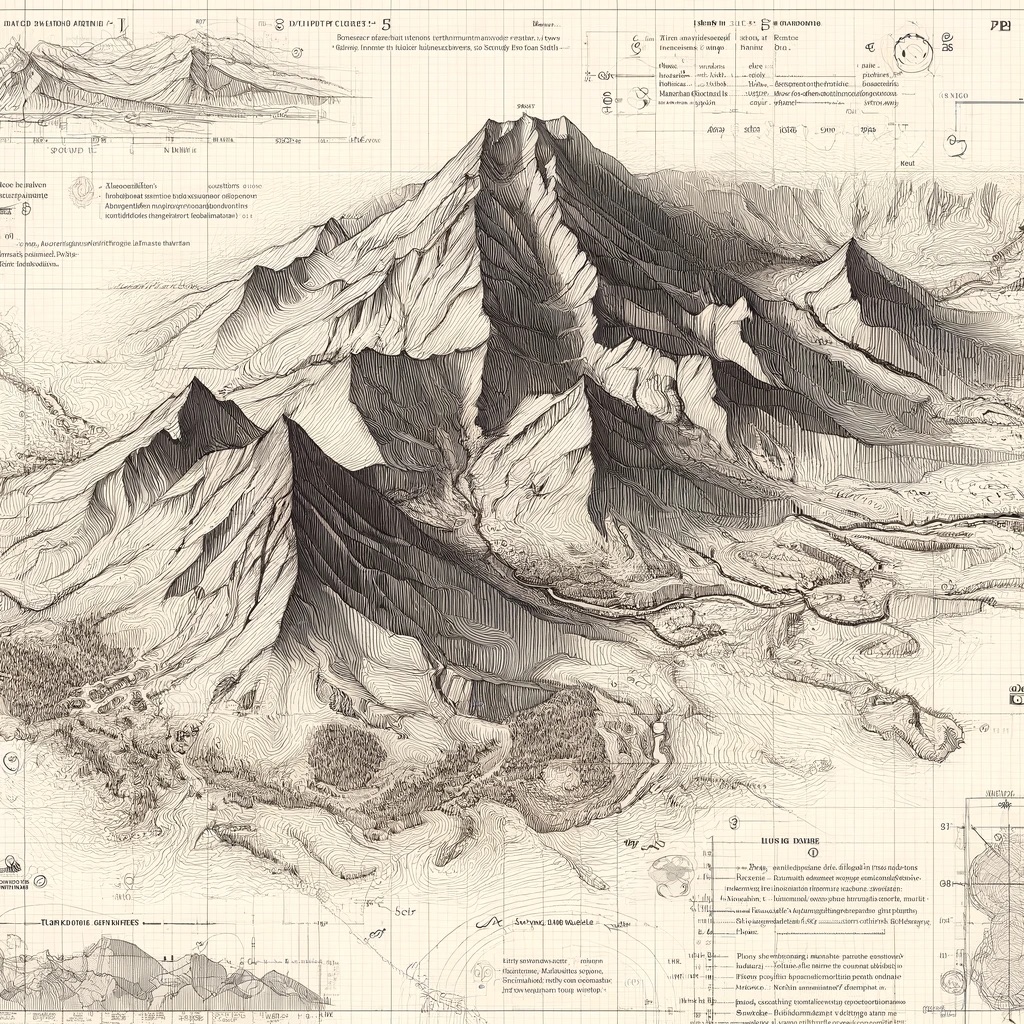
Sketch of a topographic map that shows an essential point in the field
Sketch of a towering redwood tree with annotations noting its size and distinctive features
Sketch of a banana slug with descriptive notes on its anatomy and habitat

Reflections:
Immersed in the beauty and serenity of Muir Woods, I feel grateful for the opportunity to connect with nature and explore this ancient forest. I am inspired to learn more about the ecology and conservation of redwood ecosystems.
—
This entry in the field notebook provides the following:
- A detailed account of observations made during a Muir Woods National Monument hike.
- Capturing botanical, zoological, geological, and cultural aspects of the environment while incorporating sketches.
- Notes.
- Personal reflections.
And what have we missed until now?
The importance of including coordinates in each logbook entry varies depending on the activity’s context and the logbook’s specific goals. Here are some factors to consider regarding the significance of coordinates:
Navigation and Wayfinding: Coordinates can be essential for activities such as hiking, mountaineering, boating, or flying. Including coordinates in logbook entries allows hikers, pilots, sailors, or outdoor enthusiasts to accurately pinpoint their location on maps and charts, helping them stay on course and navigate to desired destinations.
Safety and Emergency Response: Coordinates are crucial in safety and emergency response situations. If a hiker becomes lost or injured, having accurate coordinates recorded in a logbook can expedite search and rescue efforts by providing rescuers with precise location information. Similarly, distressed pilots or sailors can transmit their coordinates to emergency services for assistance.
Documentation and Verification: Coordinates serve as objective, verifiable data points that can validate the accuracy and credibility of logbook entries. Including coordinates adds precision and detail to observations, measurements, or discoveries documented in the logbook, enhancing the reliability and utility of the information for research, analysis, or documentation purposes.
Mapping and Analysis: Coordinates enable the integration of logbook data with mapping software, geographic information systems (GIS), or spatial analysis tools. By georeferencing logbook entries, users can visualise and analyse spatial patterns, distributions, and relationships, leading to insights and discoveries that may not be apparent from textual descriptions alone.
Context and Use Case: The importance of coordinates in logbook entries ultimately depends on the logbook’s specific context and use case. In some scenarios, such as scientific research, environmental monitoring, or geocaching, precise location data may be critical for achieving objectives and answering research questions. In other cases, such as personal reflection or creative expression, coordinates may be less relevant and can be omitted if they do not contribute to the logbook’s intended purpose.
In summary, while coordinates can be highly valuable and even essential in specific contexts, their importance in each logbook entry should be evaluated based on factors such as the nature of the activity, safety considerations, data requirements, and the intended use of the logbook.
Conclusion
Using a logbook or a similar tool for documenting activities, observations, and experiences offers numerous benefits across various contexts. Here’s a conclusion summarising the advantages:
Organisation and Documentation: Logbooks provide a structured format for organising information, ensuring that important details are recorded systematically. Whether it’s recording navigational data during a flight, documenting scientific observations in the field, or logging personal reflections during a hike, a logbook helps maintain a comprehensive record of activities over time.
Accuracy and Accountability: Logbooks promote accuracy and accountability by requiring users to record information in real-time or shortly after an event. This is especially crucial in aviation, maritime operations, scientific research, and regulatory compliance, where precise documentation is essential for safety, legal, or regulatory purposes.
Communication and Collaboration: Logbooks facilitate communication and collaboration among team members, colleagues, or stakeholders by providing a shared repository of information. Logbooks are a platform for exchanging information and insights, whether it’s sharing navigational data with air traffic control, collaborating on a research project, or exchanging trail conditions with fellow hikers.
Decision Making and Analysis: Logbooks provide valuable data for decision-making, analysis, and problem-solving. By documenting observations, trends, and incidents over time, logbooks enable users to identify patterns, assess performance, and make informed decisions based on historical data. This is particularly important in fields where data-driven decisions are critical, such as emergency response, scientific research, and project management.
Reflection and Learning: Beyond practical utility, logbooks offer a space for personal reflection, learning, and growth. Whether it’s reflecting on lessons learned from a challenging hike, analysing experimental results in a laboratory setting, or documenting personal achievements and milestones, logbooks provide a platform for self-expression and introspection.
In conclusion, using a logbook or a similar tool enhances organisation, accuracy, communication, decision-making, and personal reflection across various activities and disciplines. Whether for professional, recreational, or personal purposes, the disciplined practice of logging activities and observations fosters accountability.
Discover more from Sven Ruppert
Subscribe to get the latest posts sent to your email.